
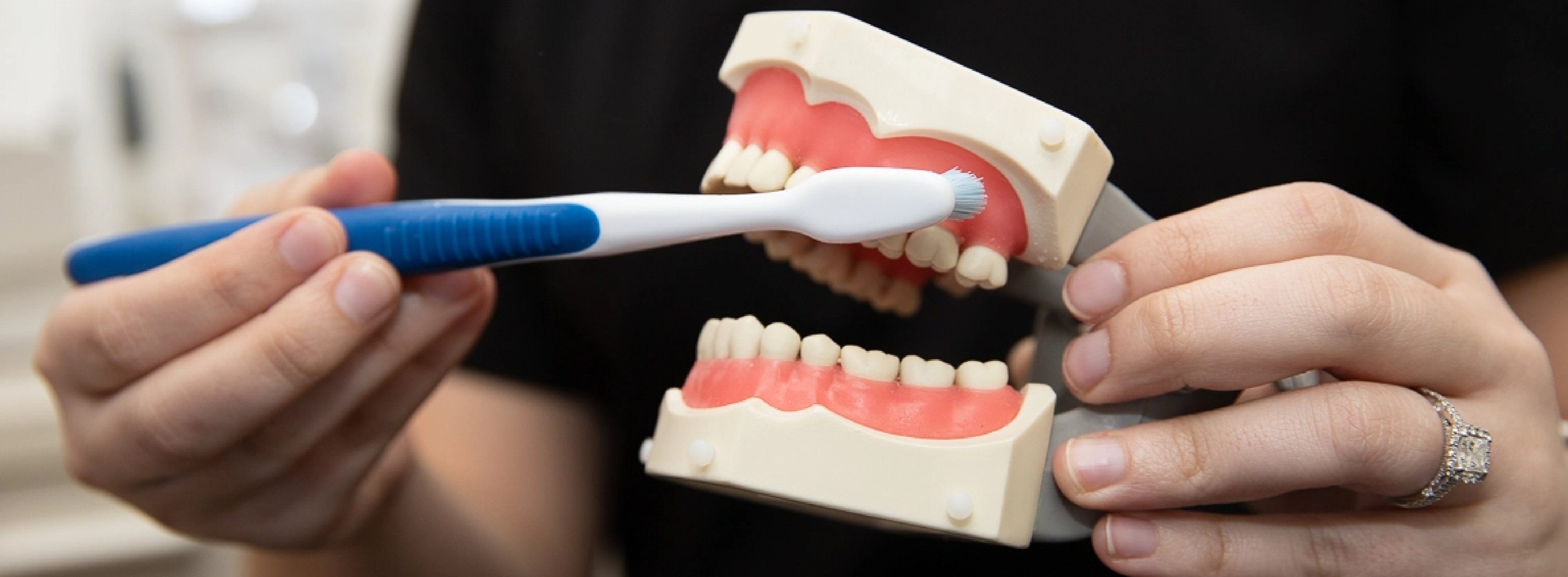
Gum Health After a Dental Emergency
Maintaining or Renewing a Healthy Smile
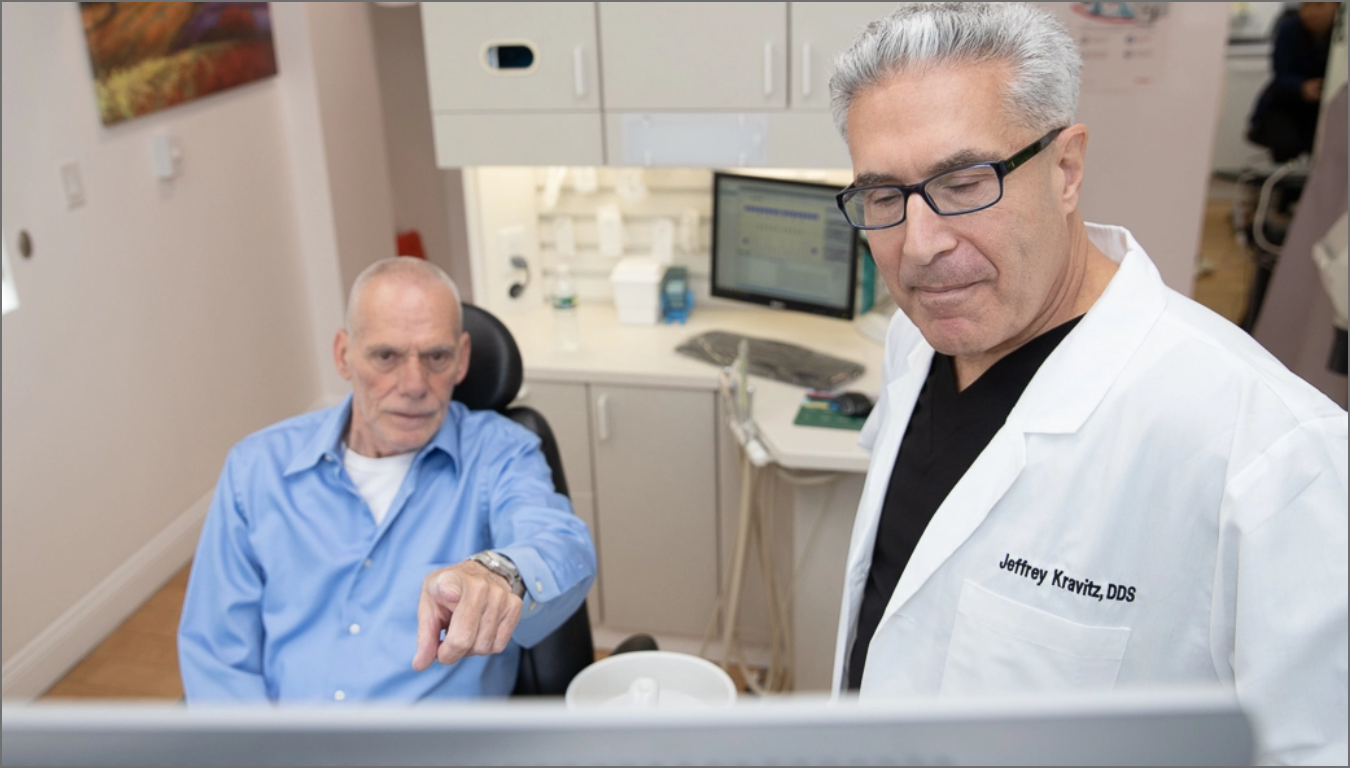
How to Keep Your Gums Health
A dental emergency can be a chaotic and stressful event. Whether you have suffered a sports injury, an accidental fall, or a sudden fracture of a tooth, the immediate focus is often on stopping the pain and repairing the visible damage. However, true recovery extends beyond the initial urgent treatment. The health of your gums plays a pivotal role in how well your mouth heals and how long your new restoration will last. At the office of Jeffrey B. Kravitz, DDS, DICOI, we believe that complete recovery requires a comprehensive approach. We are dedicated to ensuring that the foundation of your smile—your gums and jawbone—remains strong and healthy long after the crisis has passed.
Dr. Jeffrey Kravitz has restored thousands of smiles and surgically placed thousands of implants, giving him a deep understanding of the relationship between trauma, restoration, and periodontal health. Our Wakefield dental office is equipped to handle the entire lifecycle of your dental care, from the moment you rush in with an emergency to the routine maintenance that keeps your smile brilliant for years to come.
If you are recovering from a recent dental injury and have concerns about your gums, please call us at (781) 245-7714 to schedule a check-up.
The Critical Link Between Trauma and Gum Health
When a tooth is subjected to trauma, the surrounding gum tissue is almost always affected. A knocked-out tooth or a severe fracture can cause tears, inflammation, or bruising in the gingiva. Even if the damage seems confined to the tooth, the shock can disrupt the attachment between the tooth and the gum. If you have undergone emergency dental care to save a tooth or place a restoration, the surrounding gum tissue becomes the seal that protects the area from bacteria.
If this tissue is not cared for properly during the healing phase, it can lead to infection or gum recession, which might compromise the dental work you just received. Our team focuses on guiding you through the healing process, ensuring that inflammation subsides and that your gums reattach firmly to the tooth or implant. By prioritizing gum health immediately after an emergency, we help prevent secondary issues that could require further treatment down the road.


Gentle, Professional Cleanings for Recovery
Once the immediate emergency has been addressed, maintaining impeccable oral hygiene is essential. However, brushing and flossing around a sensitive, recently repaired area can be daunting. This is where professional support becomes invaluable. Our hygienist, Lisa, is a favorite among our patients for her ability to provide effective care with a soft touch. As our patient Kimberly D. shared, Lisa is “gentle but thorough, and a pleasure to be near”.
Regular dental cleanings are vital after an emergency procedure because they remove the plaque and tartar that can cause gum disease (periodontitis). If your gums are inflamed due to trauma, they are more susceptible to bacterial attack. Lisa and our hygiene team will clean your teeth meticulously while avoiding unnecessary pressure on your healing sites, ensuring that your mouth remains a clean environment conducive to recovery.
Restorative Solutions That Support Gum Health
In some emergencies, a tooth cannot be saved and must be extracted. The choice of replacement has a significant impact on your long-term gum and bone health. Dr. Kravitz specializes in dental implants, which are often the superior choice for replacing missing teeth. Unlike bridges, which sit on top of the gums, implants mimic natural tooth roots, stimulating the jawbone and helping to maintain the natural shape and volume of your gums.
Our patient Kimberly D. needed jaw reconstruction after a childhood accident and chose implants because they are the “most permanent and cost effective over time”. By choosing a solution that integrates with your body, you prevent the bone loss and gum recession that often accompany tooth loss. Whether you need a single implant or All-on-X implant-supported dentures, Dr. Kravitz designs restorations that support healthy gum contours and a natural appearance.
To discuss how implants can help preserve your gum health after tooth loss, contact our Wakefield office at (781) 245-7714.

Advanced Technology for Monitoring Healing
Detecting potential gum issues early is crucial, especially after a traumatic event. Our practice utilizes the latest dental technology to monitor the health of your gums and the underlying bone. We use cone beam imaging and digital X-rays to get a comprehensive view of your oral structures that goes beyond what is visible to the naked eye.
These tools allow Dr. Kravitz to ensure that there is no hidden infection near the root of the tooth or within the jawbone following an emergency. We also utilize intra-oral scanners for precise imaging, which is far more comfortable than traditional impressions—a significant benefit when your mouth is sore from an injury. This technology ensures that any crown, bridge, or implant placed after an emergency fits perfectly against the gumline, preventing gaps where bacteria could hide.
Frequently Asked Questions
What are the signs of gum infection after an emergency procedure?
After a dental emergency or procedure, it is normal to have some sensitivity. However, if you experience throbbing pain, persistent swelling, bleeding that won’t stop, or a bad taste in your mouth, these may be signs of an infection. If you notice any of these symptoms, please call our office immediately so we can evaluate your gum health.
How soon can I get a cleaning after a dental injury?
This depends on the severity of the injury and the treatment provided. In many cases, we can clean the rest of your mouth while avoiding the injured area. Dr. Kravitz will provide you with a specific timeline for when it is safe to resume professional cleanings on the treated tooth.
Does gum health affect the success of dental implants?
Yes, healthy gums are critical for the success of dental implants. Conditions like peri-implantitis (inflammation around the implant) can cause the implant to fail. This is why we emphasize regular check-ups and good oral hygiene to protect your investment.
Can I use mouthwash after emergency dental work?
You should follow the specific instructions Dr. Kravitz gives you. In some cases, a prescription antimicrobial rinse may be recommended to reduce bacteria. However, avoid using mouthwash with high alcohol content immediately after surgery as it can irritate the healing tissues.
Your Partner in Oral Health Recovery
At the office of Jeffrey B. Kravitz, DDS, DICOI, our goal is to help you present your best self with a smile that is both beautiful and healthy. We understand that a dental emergency is just one moment in your life, but how you care for your teeth and gums afterward impacts your oral health for a lifetime. We are committed to providing the gentle, precise, and compassionate care you need to heal fully.