
Protect Your Smile with Dr. Jeffrey B. Kravitz in Wakefield, MA
Common dental emergencies—like a chipped tooth, sudden pain, or an unexpected infection—can feel chaotic in the moment. But once the immediate problem is resolved, it’s important not to assume your emergency dental care journey ends there. According to Dr. Jeffrey B. Kravitz, a trusted dentist in Wakefield, MA, post-emergency follow-up appointments are just as vital as the initial treatment.
Even when your pain subsides or your tooth is repaired, follow-up exams help ensure that healing progresses correctly, no new infections develop, and no deeper structural issues were missed in the rush of urgent care.
Serving patients across Wakefield, Reading, Lynnfield, Stoneham, and Saugus, Dr. Kravitz provides compassionate, evidence-based care to help every patient recover fully after a dental emergency. Call our Wakefield dentists near you at (781) 245-7714 for a quick check-up today.

Why Follow-Up Appointments Matter
A dental emergency often treats the symptom, not the source. You might leave the office with your pain gone—but that doesn’t necessarily mean your oral health is fully restored.
A follow-up visit allows your dentist to:
- Monitor your healing and tissue response
- Check for hidden infections or nerve issues
- Ensure restorations (crowns, fillings, or bonding) are stable
- Identify long-term risks like bite imbalance or recurring decay
Dr. Kravitz emphasizes that follow-up care is how short-term relief becomes long-term stability. “When patients skip post-emergency check-ups, they risk trading immediate comfort for future complications,” he says.
1. Follow-Up After a Broken or Chipped Tooth
If your emergency visit involved repairing a chipped or fractured tooth with bonding, a crown, or veneer, it’s best to schedule a follow-up within 1–2 weeks.
At this visit, Dr. Kravitz will:
- Inspect the repair for proper alignment
- Ensure your bite feels natural and balanced
- Check for cracks or weaknesses that could worsen under pressure
Even if your tooth feels fine, early detection of any shifting or rough edges can prevent more serious structural issues later.
2. After a Root Canal or Deep Filling
If you received a root canal, filling, or temporary crown during your emergency visit, follow-up care is critical to prevent reinfection. Dr. Kravitz typically recommends returning within 2–3 weeks to complete the permanent restoration and confirm full healing.
During this appointment, your dentist will verify that the treated tooth is sealing properly and that the nerve tissue is responding normally. Neglecting this step could allow bacteria to reenter and undo all the progress made during your emergency treatment.
3. After a Tooth Extraction
After an extraction, whether due to decay, trauma, or crowding, post-operative care determines how well your bone and gums heal. You should schedule a check-up about 7–10 days after the procedure.
At this visit, Dr. Kravitz will:
- Examine the extraction site for proper clot formation and tissue closure
- Identify signs of dry socket, infection, or delayed healing
- Discuss restorative options, such as dental implants or bridges, to prevent long-term bone loss
Skipping this follow-up can lead to complications that delay healing or affect surrounding teeth.
4. After an Infection or Abscess
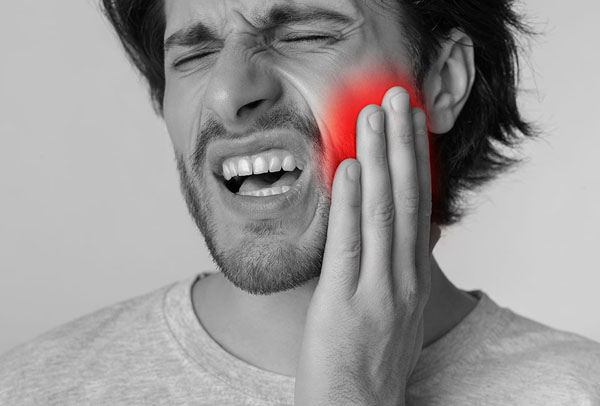
If your emergency involved an abscess or severe gum infection, it’s crucial to return within a week for evaluation. While antibiotics can reduce pain and swelling, they don’t always address the root cause.
At the follow-up, Dr. Kravitz will determine whether the infection has fully cleared and whether additional treatment—such as a deep cleaning, root canal, or periodontal therapy—is needed.
Chronic infections can quietly return, often without noticeable pain until they’re advanced. A check-up ensures your recovery is complete and your smile remains protected.
5. After a Knocked-Out or Dislodged Tooth
A knocked-out (avulsed) or partially dislodged tooth requires both emergency care and ongoing monitoring. After your initial stabilization or reattachment, schedule a follow-up within 48 hours, and another within 2–4 weeks.
These visits allow Dr. Kravitz to:
- Verify that the tooth is reattaching properly
- Evaluate bone and ligament healing
- Assess whether additional splinting or treatment is necessary
In some cases, additional imaging may be needed to confirm that surrounding teeth and nerves are unaffected.
6. After a Crown or Bridge Repair
If your emergency involved a loose crown or bridge, schedule a post-visit check within two weeks. While a temporary repair can restore appearance and function, permanent stabilization is necessary for long-term success.
Dr. Kravitz will ensure the final restoration fits seamlessly with your bite and that the tooth underneath remains protected from bacteria.
7. After Oral Trauma or Jaw Injury
Patients who experience direct trauma to the mouth—such as a sports injury or fall—should book follow-ups even if everything feels normal afterward. Small fractures, nerve irritation, or root damage can take time to reveal themselves.
Follow-up imaging and bite analysis can help detect:
- Hairline fractures in teeth or roots
- Jaw joint strain or misalignment
- Subtle bite changes that cause uneven wear
A preventive check-up ensures that what seems like a “healed” mouth doesn’t hide deeper problems.
How Often to Return for Routine Check-Ups Afterward
Once your emergency and follow-up care are complete, maintaining a regular six-month check-up schedule is vital. These visits allow your dentist to:
- Monitor the stability of previous treatments
- Identify early decay or gum irritation
- Clean and polish teeth to remove plaque buildup
- Reinforce your home hygiene routine
Dr. Kravitz’s patients often notice that consistent preventive care dramatically reduces the likelihood of future emergencies.
What Happens During a Post-Emergency Check-Up
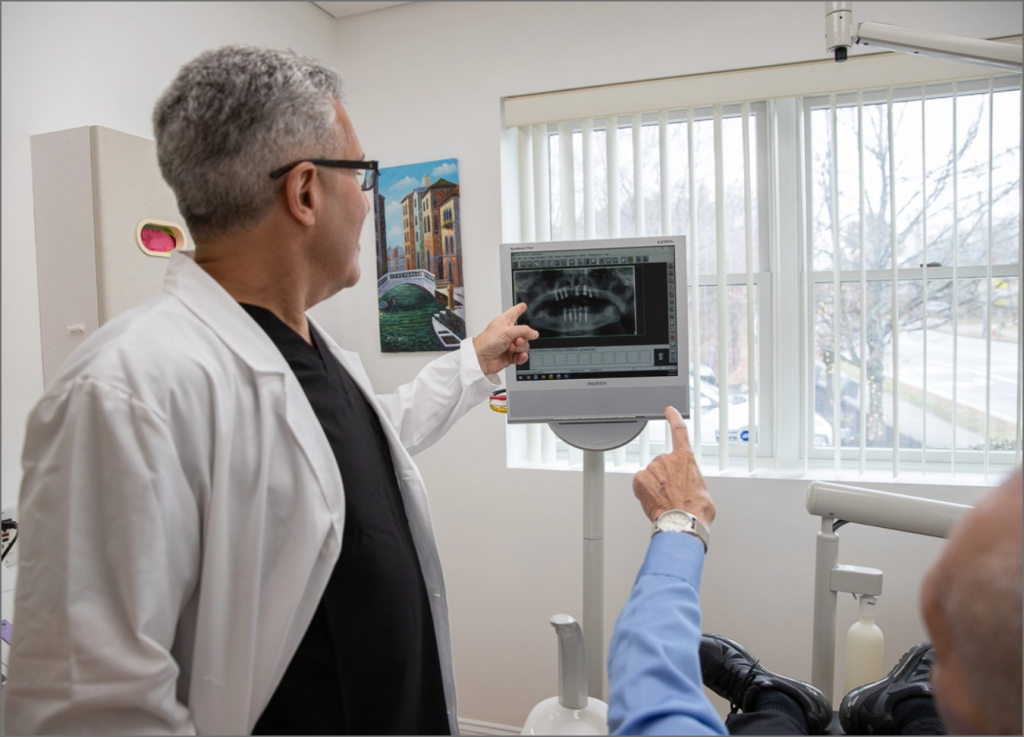
At your post-emergency exam, expect a thorough evaluation designed to confirm both healing and prevention. Your appointment may include:
- A full visual and digital exam of the treated area
- X-rays to assess bone and nerve health
- A review of your bite and alignment
- Polishing and cleaning to prevent plaque buildup
- Recommendations for additional treatment, if needed
If your dental emergency was traumatic or extensive, your dentist may suggest short-term follow-ups every few weeks until stability is fully confirmed.
Why Timing Is Everything
The longer you wait to schedule a follow-up, the higher your risk of developing secondary problems—such as infection, shifting teeth, or even implant failure. Acting early not only protects your comfort but also saves time, money, and potential discomfort later on.
Dr. Kravitz’s approach prioritizes early prevention: “A well-timed check-up is your safety net. It lets us confirm healing, spot the smallest irregularities, and make sure your smile is truly back to full strength.”
Schedule Your Post-Emergency Check-Up in Wakefield, MA
Whether you’ve just recovered from a dental emergency or are experiencing lingering discomfort, follow-up care ensures your teeth, gums, and restorations remain healthy.
At the office of Dr. Jeffrey B. Kravitz, we take pride in providing comprehensive post-emergency evaluations and ongoing preventive care to keep your smile strong and pain-free.
Call (781) 245-7714 today to schedule your post-dental emergency check-up with our Wakefield, MA dentist, proudly serving nearby communities including Reading, Lynnfield, Stoneham, and Saugus.
Your dental emergency may be over—but your recovery deserves the same attention and care that got you through it. Let’s make sure your smile stays healed, healthy, and confident for years to come.